The Unyielding Spirit of Waldhof Mannheim Fans and Their Fight for Affordability
The heart of football beats loudest in the stands, fueled by the unwavering passion of its supporters. For SV Waldhof Mannheim, this passion is legendary, a vibrant tapestry woven through decades of triumph and tribulation. Yet, beneath the surface of roaring cheers and vibrant blue, a growing discontent has taken root, culminating in a powerful protest by `waldhof mannheim zuschauer` against what they perceive as unfair and exclusionary ticket pricing. This isn't just about the cost of a match; it's a battle for the soul of the club, a fight to ensure that football remains accessible to every fan, regardless of their financial situation or digital literacy.
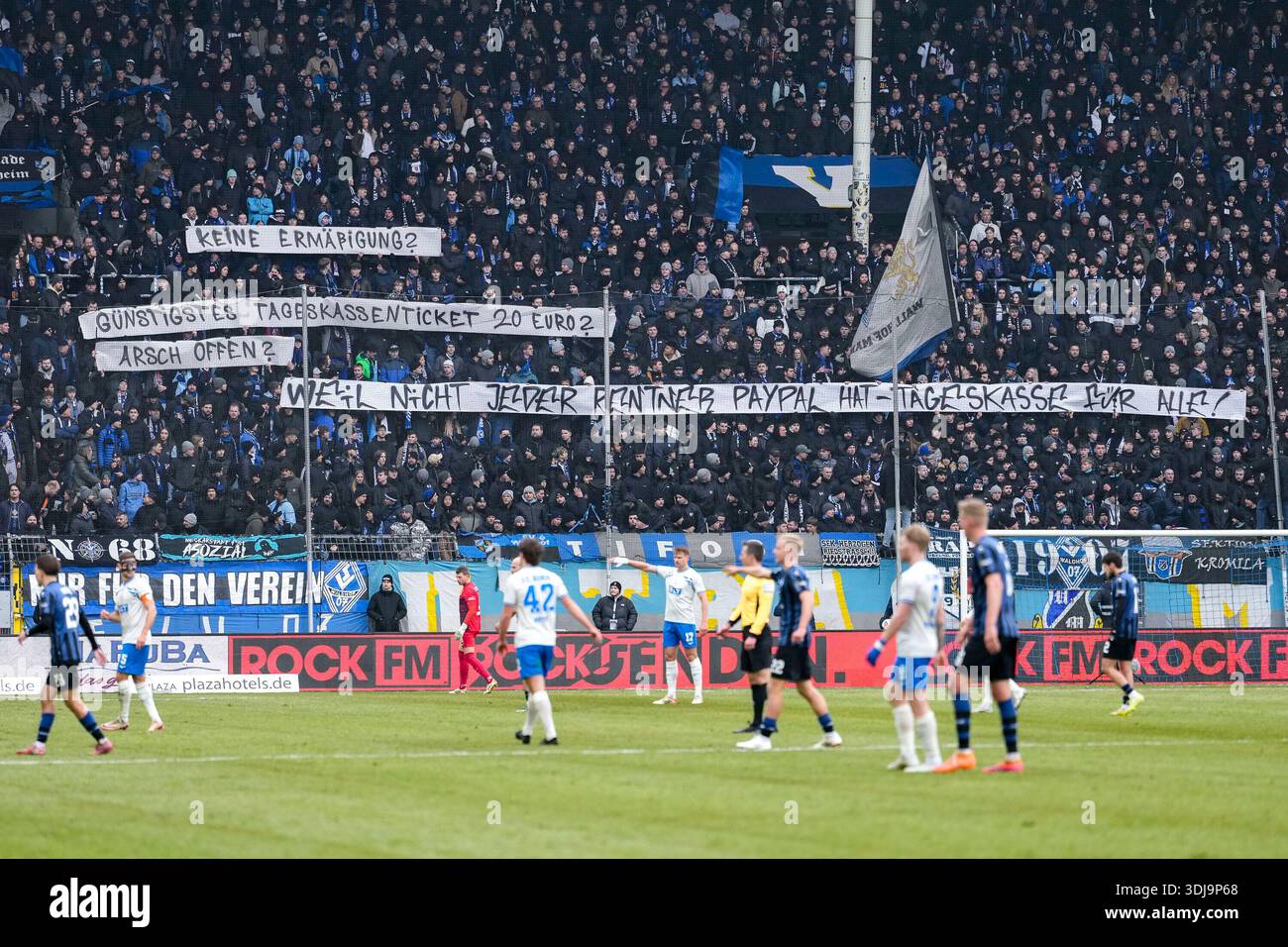
The scene in the fan curve on February 6, 2026, was a potent display of this collective frustration. As the players battled on the pitch, the true drama unfolded amongst the loyal supporters. Banners unfurled, their stark messages cutting through the stadium noise, leaving no doubt about the fans' deep-seated grievances. This was more than a mere complaint; it was a heartfelt plea and a defiant challenge to the club's management, demanding a re-evaluation of policies that threaten to sideline some of the most dedicated members of the Waldhof family.
"No Discount, Ass Open": Unpacking the Fan's Grievances
The banners displayed by the Waldhof Mannheim supporters articulated a clear set of concerns, revealing the core of their protest. One message, particularly striking, read: "No discount, Cheapest single-day ticket 20n Euro, Ass open, Because not every retiree has PayPal - Single-day ticket for everyone." This potent statement encapsulates several critical issues that resonate far beyond Mannheim's Carl-Benz-Stadion.
The Price Barrier: 20 Euro for a Single Ticket
The reference to a "Cheapest single-day ticket 20n Euro" immediately highlights a significant financial hurdle for many. While "20n" suggests a price point around or above €20, for a regional club like SV Waldhof Mannheim, this can be perceived as steep, especially for casual attendees or those on tight budgets. In an era where living costs are rising, even a seemingly modest increase can make the difference between attending a match and staying home. This price point not only limits attendance but also sends a message that the club might be prioritizing revenue over the inclusivity of its fanbase. For many `waldhof mannheim zuschauer`, football is an escape, a community, and an affordable pastime – a vision threatened by escalating costs.
The Absence of Discounts: Alienating Loyal Demographics
"No discount" points to a broader problem: the lack of concessionary rates for specific, often vulnerable, demographics. Traditionally, football clubs have offered reduced prices for students, seniors, children, and sometimes even unemployed individuals or those with disabilities. The absence of such discounts not only makes attendance prohibitive for these groups but also feels like a disregard for their loyalty and circumstances. A senior citizen on a fixed pension, a student managing tuition fees, or a parent trying to bring their children to a game all face significant barriers when no discounts are available. This erodes the club's community appeal and alienates long-standing supporters who have dedicated years, even decades, to following SV Waldhof Mannheim.
The Digital Divide: "Not Every Retiree Has PayPal"
Perhaps the most poignant and socially relevant aspect of the protest banner is the phrase: "Because not every retiree has PayPal - Single-day ticket for everyone." This highlights a critical oversight in the club's ticket sales strategy: the assumption of universal digital literacy and access. In an increasingly digital world, many organizations, including football clubs, are shifting towards online-only ticketing and cashless payment systems. While convenient for some, this approach inadvertently excludes a significant portion of the population, particularly older generations who may not use or have access to online banking, PayPal, or even smartphones.
For retirees, who are often among the most loyal and seasoned `waldhof mannheim zuschauer`, the inability to purchase a single-day ticket with cash or through traditional methods represents a profound barrier. It's not just an inconvenience; it's a feeling of being left behind and undervalued by the institution they support. The call for "Single-day ticket for everyone" is a plea for inclusivity, a demand for diverse payment options and accessibility that caters to *all* fans, not just those comfortable with digital transactions.
Pyrotechnics and Passion: A Fiery Statement on February 6, 2026
Beyond the powerful messages on their banners, the `waldhof mannheim zuschauer` amplified their protest through a fiery display of pyrotechnics in the fan curve on February 6, 2026. The use of Bengalos, flares, and other fireworks, while often controversial and subject to debate regarding safety and legality, serves as a deeply ingrained part of ultra culture and a potent form of expression for football fans across Europe.
This dramatic spectacle was more than just a visual statement; it was an act of raw emotion, underscoring the depth of their frustration and commitment. The smoke, the light, and the crackle of pyrotechnics create an almost primal atmosphere, a visceral experience that signifies passion, unity, and defiance. For the fans, particularly the ultras, pyrotechnics are a way to demonstrate their unwavering dedication and to create an intimidating, exhilarating ambiance that galvanizes the team and sends a clear message to club management: *we are here, we are passionate, and we demand to be heard*. To delve deeper into this aspect of fan culture, you can read more about
Waldhof Mannheim Stadium: Pyrotechnics & The Ultras Atmosphere.
While the club or authorities might condemn such actions due to safety concerns, for the protesting `waldhof mannheim zuschauer`, it was an undeniable way to grab attention, to add intensity to their message, and to showcase the very atmosphere they fear is being eroded by commercialization. It’s a delicate balance between tradition, safety, and protest, and in this instance, the fans chose a dramatic route to ensure their voices resonated. The interplay of passion, protest, and pyro is a defining characteristic of the German football landscape, a subject explored further in
Waldhof Mannheim Fans: Passion, Pyro, and The Battle for Fair Tickets.
The Broader Battle: Commercialization vs. Community
The Waldhof Mannheim protest is not an isolated incident; it's a microcosm of a larger, global struggle within football. Across leagues and continents, clubs face the constant challenge of balancing financial sustainability with the foundational principle of community and fan loyalty. As football becomes an increasingly commercialized enterprise, with soaring player wages, stadium development costs, and the pursuit of global revenue streams, the price of admission often falls disproportionately on the local fan.
This creates a fundamental tension: clubs need revenue to compete, but pushing prices too high risks alienating the very fans who give the club its identity and soul. The danger is that football transforms from a community-based sport into an exclusive entertainment product, pricing out its most traditional and dedicated supporters. The `waldhof mannheim zuschauer` are fighting to prevent this transformation, advocating for a model where accessibility and community remain paramount.
Strategies for Fairer Pricing and Enhanced Accessibility
To address these valid concerns and ensure the long-term health of club-fan relationships, clubs like SV Waldhof Mannheim can implement several strategies:
- Tiered Pricing Models: Instead of a flat "cheapest single-day ticket," clubs can introduce various price tiers. This could include discounted sections for those with limited budgets, different pricing for different opponents or seating areas, and special family packages.
- Diverse Payment Options: Moving beyond digital-only solutions is crucial. Clubs should offer multiple ways to purchase tickets, including online, in-person cash sales at the stadium box office, and phone bookings. This caters to all demographics, especially older fans.
- Senior and Student Discounts: Reintroducing or strengthening concessionary rates for specific groups is a powerful gesture of inclusion. It acknowledges the different financial realities of various fan segments and rewards long-standing loyalty.
- Fan Consultation and Dialogue: Regularly engaging with supporter groups and fan representatives can provide invaluable insights into their concerns and help co-create solutions. Open communication fosters trust and demonstrates that the club values its fans' perspectives.
- Community Tickets or Hardship Funds: For fans facing severe financial difficulties, establishing a community ticket program or a hardship fund could ensure that no dedicated `waldhof mannheim zuschauer` is completely priced out of attending matches.
- Season Ticket Benefits: While the protest focused on single-day tickets, ensuring season tickets offer significant savings and additional perks can reward the most loyal supporters and provide a more predictable revenue stream for the club.
Conclusion
The Waldhof Mannheim fan protest serves as a powerful reminder that football, at its core, belongs to the people who passionately support it. The issues raised by the `waldhof mannheim zuschauer` – high ticket prices, the absence of discounts, and the digital divide – are not unique to Mannheim but echo across the global football landscape. They highlight the ongoing tension between the commercial demands placed on modern clubs and the fundamental need to keep the game accessible and inclusive for all.
For SV Waldhof Mannheim, and indeed for any club, engaging in open, empathetic dialogue with their fanbase is paramount. Finding a sustainable balance between financial health and fan accessibility is crucial for preserving the unique atmosphere, community spirit, and long-term loyalty that defines football. The future of the beautiful game depends on ensuring that every fan, from the youngest child to the oldest retiree, can afford to stand in the stands, cheer for their team, and feel like an integral part of their beloved club's journey.